Sacramentals · last reviewed 2026-10-03
Church-approvedSacred Images at Home: Blessing Pictures, Icons, and Statues
Good for
At a glance
Sacred images of Christ, Mary, and the saints may be displayed and blessed in Catholic homes; the Church venerates the person shown rather than the wood or paint, and keeps a firm line against anything that slides into idolatry.
- Category
- Blessed Objects
- Status
- Church Approved
- Sources
- 4 cited
- Last reviewed
- 2026-10-03
Primary source Catechism of the Catholic Church 2129-2132
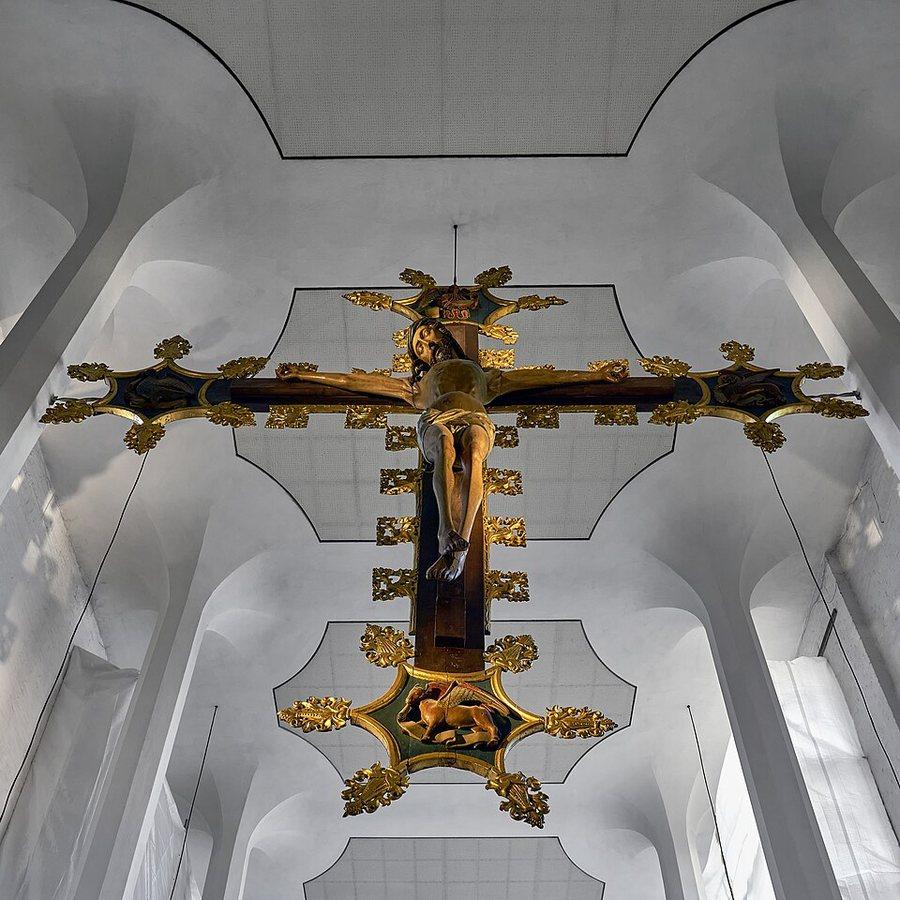
Sacred images are pictures, icons, statues, and relief carvings of Christ, Mary, and the saints. The Church venerates the person portrayed, not the material, and it both permits and expects images in the homes of the faithful.
What it is
The Catechism traces the practice rather than defending it from scratch. God ordained or permitted images in the Old Testament that pointed symbolically toward salvation by the incarnate Word (CCC 2130), and the Second Council of Nicaea in 787 defended the veneration of images on the ground that by becoming incarnate the Son of God introduced a new economy of images (CCC 2131). The principle that settles the question is short: the honor rendered to an image passes to its prototype, and whoever venerates an image venerates the person portrayed in it (CCC 2132).
The Directory quotes the same council's decree about placement: sacred images are to be depicted and exposed in the holy churches of God and in the homes of the faithful, whether they are images of Christ, of the Blessed Virgin, of the angels, of the saints, or of the just (n. 238).
Canon law sets a standard for how images are displayed: in moderate number and in suitable order so that the faithful are not confused nor occasion given for inappropriate devotion (can. 1188).
How to use it
Choose images you can pray with rather than images you would hang in any house. Have them blessed if they are new to you; the blessing of objects is one of the sacramental blessings the Church provides (CCC 1671), and once blessed an object is treated as sacred rather than decorative (can. 1171).
Place them somewhere you will pass daily: a wall, a shelf, the corner where you say your morning prayer. Keep them clean. When an inherited statue no longer has a place, give it to a parish or a religious house rather than discarding it.
Where it gets misused
Two failures sit on either side: worship offered to the material object itself, which the first commandment forbids, and the opposite reflex of refusing images altogether as idols. The Catechism's answer covers both: the Christian veneration of images is not contrary to the first commandment, which proscribes idols, because the honor rendered to an image passes to its prototype (CCC 2132).
FAQ
Is having statues and icons at home against the commandment against idols?
No. The Catechism teaches that the veneration of images is not contrary to the first commandment, because the honor rendered to an image passes to its prototype: whoever venerates an image venerates the person portrayed in it (CCC 2132). The line is drawn against worship of the thing itself, not against the image.
Where can sacred images be displayed?
In churches, in the home, and in the street, according to the decree of the Second Council of Nicaea quoted by the Directory: images of Christ, the Blessed Virgin, the angels, and the saints are to be exposed in the churches of God and in the homes of the faithful (n. 238).
How many images should a Catholic home have?
Enough to pray with, not so many that the room becomes a display. Canon law sets the same standard for churches: sacred images are to be exhibited in a moderate number and in suitable order, so that the faithful are not confused nor occasion given for inappropriate devotion (can. 1188).
Sources
| Tier | Reference |
|---|---|
| Tier 1 | Catechism of the Catholic Church 2129-2132 (opens in new tab) |
| Tier 1 | Code of Canon Law can. 1171, can. 1188 (opens in new tab) |
| Tier 1 | Catechism of the Catholic Church 1671 (opens in new tab) |
| Tier 1 | Directory on Popular Piety and the Liturgy 238-239 (opens in new tab) |
Last reviewed: 2026-10-03