Sacramentals · last reviewed 2026-10-05
Church-approvedBlessing of the Sick: Prayer Beside the Hospital Bed
Good for
At a glance
The blessing of the sick is an ancient prayer of the Church for the ill, distinct from the sacrament of Anointing; ministers visit the sick, read Scripture, and pray for healing and strength.
- Category
- Blessings
- Status
- Church Approved
- Sources
- 3 cited
- Last reviewed
- 2026-10-05
Primary source Catechism of the Catholic Church 1667, 1670, 1671
When you lie ill, the Church comes to your bedside and prays. The blessing of the sick is very ancient, rooted in Christ and the apostles, and it stands apart from the sacrament of Anointing. One comforts. The other consecrates.
What it is
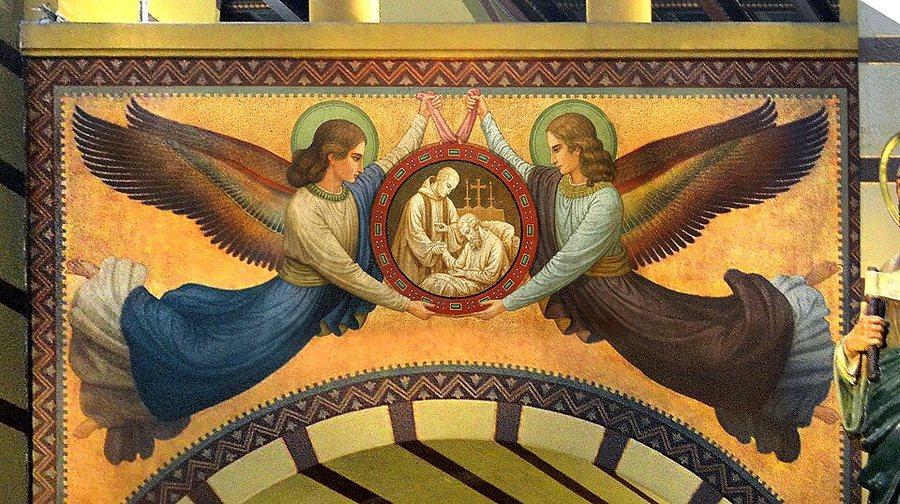
You call the parish and a priest or deacon visits. He greets you in the name of the Father and the Son and the Holy Spirit. He reads a short Gospel, often the charge to lay hands on the sick or the healing of Peter's mother-in-law. He prays for you, for doctors and nurses, and for all who seek health. Then he lays hands on you in blessing or extends his hands over you and asks God to deliver you from illness.
The books call this custom very ancient, rooted in imitation of Christ himself and his apostles. The Roman Ritual keeps it as its own chapter. Sacramentals like this bear a resemblance to the sacraments and obtain their effects through the intercession of the Church CCC 1667 (tier 1 citation). They prepare us to receive grace and dispose us to cooperate with it CCC 1670 (tier 1 citation).
Anointing belongs to another order. Only bishops and priests give it, with the Oil of the Sick, for those in danger from sickness or old age. The blessing uses no oil. Any priest may impart blessings except those reserved higher can. 1169 §2 (tier 1 citation). When only one sick person is blessed, a short formulary may be used.
How to use it
Ask early in the illness. You need not wait until danger of death. That threshold belongs to Anointing. The blessing suits hospital stays, long recoveries, and old age at home. Tell the parish office the ward and visiting hours. Gather family at the bed if you can.
Keep the sacraments beside it. Go to confession when you can. Receive Communion if the priest brings it. Let the blessing lead you toward Anointing when the illness turns serious rather than standing in for it.
Where it gets misused
Families sometimes delay Anointing because a blessing felt sufficient. The two rites do different work. The blessing asks. The sacrament anoints and seals. Call for the blessing soon. Call for Anointing when the illness grows dangerous. Take both as the Church gives them, and keep your treatment while you pray.
FAQ
Is this the same as Anointing of the Sick?
No. Anointing of the Sick is a sacrament for those in danger from illness or old age, given with the Oil of the Sick by a bishop or priest alone. The blessing of the sick is a sacramental prayer any priest or deacon may give, and it never uses the sacramental anointing. For the sacrament itself see anointing-sick.
Who can receive the blessing?
Blessings are given first to Catholics, and they may also be given to catechumens and even to non-Catholics unless the Church says otherwise (can. 1170). The minister respects the rites for pastoral care of the sick and shows the sick how much Christ and his Church care for them.
What happens during the visit?
The minister greets the sick person, reads Scripture such as Mark 16:15-20 or Matthew 8:14-17, offers intercessions for the ill and those who care for them, and says a prayer of blessing. The visit may also reach the elderly at home who cannot attend the parish celebration.
Does the blessing guarantee healing?
No. Every blessing praises God and prays for his gifts (CCC 1671). Sacramentals prepare us for grace and dispose us to cooperate with it (CCC 1670). The Church prays for healing while urging the sick to keep their doctors and their treatment.
Sources
Last reviewed: 2026-10-05