Sacramentals · last reviewed 2026-10-04
Church-approvedBlessed Oil: What the Church Blesses and Why
Good for
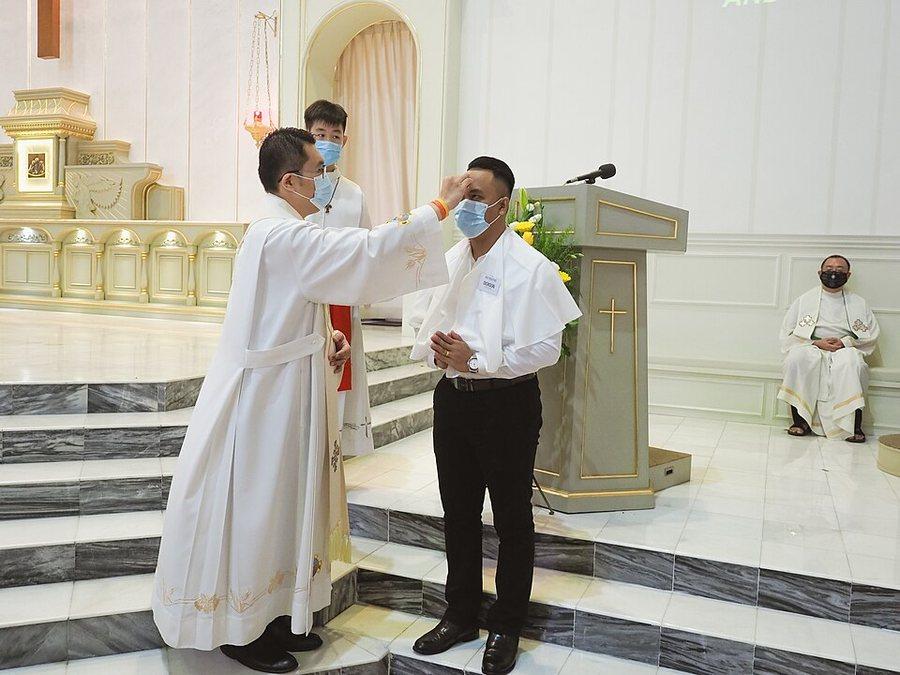
At a glance
Blessed oil is oil a priest blesses under the Church's Book of Blessings for health of mind and body; Scripture shows the apostles anointing the sick with oil, and James sends the sick to the presbyters for anointing.
- Category
- Blessings
- Status
- Church Approved
- Sources
- 4 cited
- Last reviewed
- 2026-10-04
Primary source Catechism of the Catholic Church 1671, 1672
Blessed oil is oil the Church blesses for health of mind and body. The Book of Blessings provides the rite, Scripture shows the apostles anointing the sick with oil, and the faithful use it in prayer for those who suffer.
What it is
Oil runs through the Bible as a sign of healing. The Twelve drove out demons and anointed with oil many who were sick, and cured them Mk 6:13 (tier 1 citation). James gives the standing order: if anyone is sick, summon the presbyters, and they should pray over him and anoint him with oil in the name of the Lord Jas 5:14 (tier 1 citation).
The Church keeps a rite for blessing oil outside the sacraments. The Book of Blessings provides it where parishes bless food, drink, and devotional objects (n. 1781). The prayer runs: God of compassion, in the midst of the pain of the world your Son came to heal our infirmities. May all who use this oil be blessed with health of mind and body (n. 1795).
Keep this oil distinct from the Oil of the Sick. That oil serves the sacrament of Anointing, which James describes with presbyters praying and anointing. Devotional blessed oil is a sacramental for the home. The Catechism lists the blessing of holy oils among the blessings of objects CCC 1672 (tier 1 citation), and blessings of objects come first among sacramentals CCC 1671 (tier 1 citation). One serves the sacrament. The other serves your prayer.
How to use it
Bring a small bottle of oil to your priest and ask him to bless it under the Church's rite. Keep it where you pray. When someone you love is ill, make a small sign of the cross with the oil while you pray aloud for healing, patience, and trust.
Use it with the sacraments, never instead of them. If the illness is grave, call the priest for confession and Anointing first, as James directs. Then keep praying with the blessed oil through the long weeks of recovery.
Where it gets misused
Oil soothes, and that comfort tempts. The error is treating blessed oil as medicine with a spiritual label: dabbing it on while skipping the doctor, the priest, and prayer. The oil carries prayer to the body. It is not the prayer, and it is not the cure.
FAQ
What is blessed oil?
It is ordinary oil, usually olive oil, over which the Church says a prayer of blessing. The Book of Blessings provides the rite, which addresses God as the God of compassion, mercy, and love, recalling that in the midst of the pain and suffering of the world his Son came among us to heal our infirmities and soothe our wounds, and asks health of mind and body for all who use the oil.
Is this the same as the Oil of the Sick?
No. The Oil of the Sick is blessed by the bishop for the sacrament of Anointing, which James describes: the sick summon the presbyters, who pray over them and anoint them with oil in the name of the Lord (Jas 5:14). Devotional blessed oil is a sacramental for prayer at home. It never replaces the sacrament.
Where does anointing with oil come from?
From the Gospel. The Twelve drove out demons and anointed with oil many who were sick, and cured them (Mk 6:13). The Book of Blessings lists this passage among its readings for the blessing of oil.
How do I use blessed oil at home?
Ask your priest to bless oil under the Church's rite, then use a small sign of the cross with it when you pray for the sick. Keep it reverently and use it with prayer, never as a remedy on its own.
Sources
| Tier | Reference |
|---|---|
| Tier 1 | Catechism of the Catholic Church 1671, 1672 (opens in new tab) |
| Tier 1 | James 5:14 (NABRE) (opens in new tab) |
| Tier 1 | Mark 6:13 (NABRE) (opens in new tab) |
| Tier 3 | Catholic Culture, Book of Blessings blessing of oil (nn. 1781, 1795) (opens in new tab) |
Last reviewed: 2026-10-04