Sacramentals · last reviewed 2026-10-04
Church-approvedHome Protection: Holy Water, Salt, and Medal
Good for
At a glance
This entry covers home protection against evil through blessed salt, holy water, Epiphany chalk, and the St. Benedict medal; for the full house rite itself see blessing-of-the-home.
- Category
- Home
- Status
- Church Approved
- Sources
- 3 cited
- Last reviewed
- 2026-10-04
Primary source Catechism of the Catholic Church 1668, 1671
You protect your home through prayer and blessed signs. You use holy water and blessed salt. You mark the door with chalk. You hang the St. Benedict medal where you pray.
What it is
The Church puts blessings of places first among sacramentals (CCC 1671). You ask the priest to bless your house. That rite stands in blessing-of-the-home. This entry covers what you do afterward against evil. You keep habits that recall baptism.
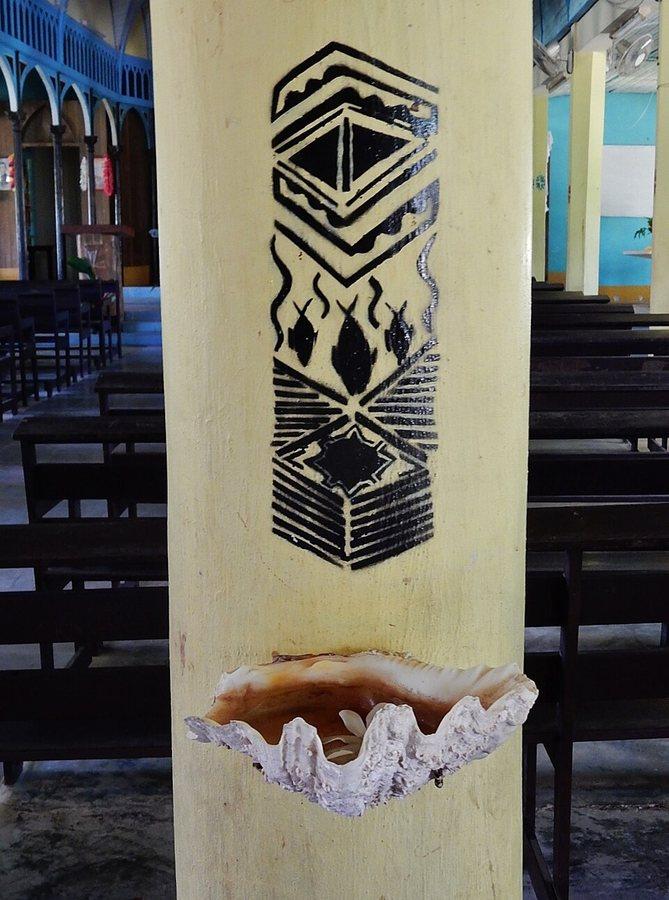
Holy water leads the list. The Church prays with signs like the laying on of hands, the sign of the cross, or the sprinkling of holy water (CCC 1668). You keep a font by the door. You dip your fingers. You make the sign of the cross. You remember your baptism each time you cross.
Blessed salt and chalk serve beside it. You sprinkle a little salt at the door while you pray for the household. You write the Epiphany mark on the lintel with blessed chalk. The Directory describes the cross of salvation with the year and C+M+B, Christus mansionem benedicat (n. 118). You hang the St. Benedict medal where you pray.
How to use it
You start with the priest. You call the parish when you move. You walk the rooms with him. You name the people who sleep there. You receive the full rite first.
You build a door routine. You bless yourself leaving for work. You bless yourself returning at night. You sprinkle bedrooms on Sundays. You pray the Our Father with your children. You renew the chalk each January.
You pair signs with sacraments. You attend Sunday Mass as a household. You go to confession regularly. You pray the rosary together weekly. You invite the priest back when fear unsettles the house.
Where it gets misused
Some treat salt or medals as barriers that work apart from faith. The Catechism calls that error superstition (CCC 2111). You refuse that thinking. You use each sign as prayer. You trust Christ.
Some repeat the house blessing with reserved formulas. You leave the liturgical rite to the priest. You keep your part simple. You pray. You sprinkle. You mark the door. You call the priest for the rest.
FAQ
How is this different from blessing-of-the-home?
That entry explains the priest's blessing of persons and places. This entry covers your daily protection habits inside a blessed home: holy water, blessed salt, Epiphany chalk on the lintel, and the St. Benedict medal. You request the full rite from your priest first, then you keep these habits.
How do I use holy water and blessed salt at the door?
You keep a small font by the door. You bless yourself entering and leaving. You sprinkle rooms while asking God's blessing on the people inside. The Catechism lists sprinkling of holy water among the signs that recall baptism (CCC 1668). You use blessed salt the same way, sparingly and prayerfully.
Where do chalk and the St. Benedict medal go?
You write C+M+B with the year on the lintel at Epiphany in blessed chalk. The Directory describes this custom with the cross of salvation and the names of the Magi (n. 118). You hang the St. Benedict medal above the door or keep it in the room where you pray. You let each sign point you to Christ.
Do these objects block evil by themselves?
No. Every blessing praises God and prays for gifts (CCC 1671). You bring faith when you use them. Crediting results to outward acts apart from interior disposition falls into superstition (CCC 2111). You stay with Mass and confession.
Sources
| Tier | Reference |
|---|---|
| Tier 1 | Catechism of the Catholic Church 1668, 1671 (opens in new tab) |
| Tier 1 | Directory on Popular Piety and the Liturgy 118 (opens in new tab) |
| Tier 1 | Catechism of the Catholic Church 2111 (opens in new tab) |
Last reviewed: 2026-10-04