Sacramentals · last reviewed 2026-10-04
Church-approvedBlessed Salt: What the Church's Blessing Means
Good for
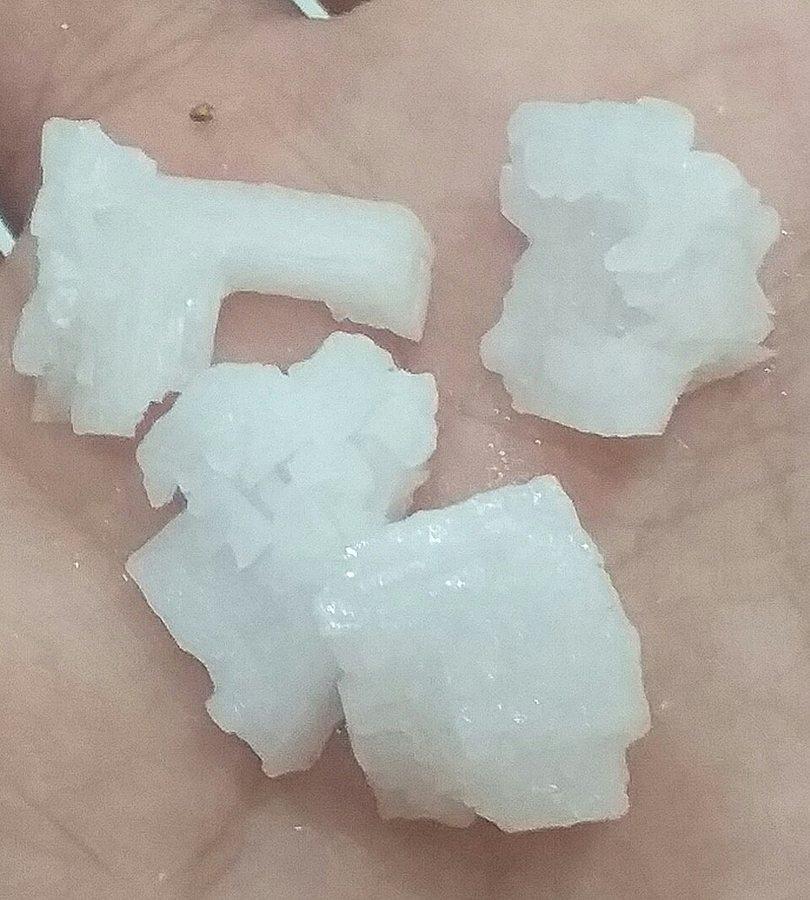
At a glance
Blessed salt is salt exorcised and blessed by a priest under the Roman Ritual, invoking Elisha's purification of the water; the faithful keep it at home and priests mix it into holy water.
- Category
- Home
- Status
- Church Approved
- Sources
- 4 cited
- Last reviewed
- 2026-10-04
Primary source Catechism of the Catholic Church 1668, 1671
Blessed salt is ordinary salt exorcised and blessed by a priest under the Roman Ritual. The rite invokes Elisha casting salt into the bitter water. The faithful keep the salt at home, and priests mix it into holy water.
What it is
Salt enters the Church's prayer through Scripture. Christ tells his disciples: you are the salt of the earth (Mt 5:13). Salt preserves and seasons, and the image stuck. The Roman Ritual keeps a full rite for it: an exorcism of salt followed by a blessing, with salt and fresh water prepared and the priest vested in surplice and purple stole.
The exorcism names the biblical root. The priest casts out the demon from the salt by the living, true, and holy God, by the God who ordered salt thrown into the water spring by Eliseus to heal its barrenness. He prays that the salt become purified salt, a medicine for body and soul for all who use it. Then comes the blessing: may all who use it find a remedy for body and mind, and whatever it touches be freed from uncleanness and from the evil spirit.
In the Church's terms the salt is a sacramental: a sacred sign that obtains its effects through her intercession can. 1166 (tier 1 citation). Its making follows a rite the Church approves can. 1167 §2 (tier 1 citation). Every blessing praises God and prays for his gifts CCC 1671 (tier 1 citation), and this one does both out loud.
How to use it
Ask your parish priest for blessed salt, especially around Epiphany. Keep a small vessel of it in your kitchen. Use a pinch in cooking on feast days as a reminder of the blessing. Sprinkle the rooms with holy water made with it when you pray for your household.
In parts of Europe the custom is precise. The bread and eggs blessed at Epiphany go to the poor or the holiday table, and the salt stays in the house. It sits there all year as a reminder that the people in that house are to be the salt of the earth.
Where it gets misused
Blessed salt seasons prayer. It does not replace it. The Catechism describes every sacramental as prayer with a sign, like the sprinkling of holy water CCC 1668 (tier 1 citation). A line of salt across a doorway, laid with no prayer and no change of life, borrows the grammar of spells, not of blessings.
FAQ
What happens in the blessing of salt?
Salt and fresh water are prepared, and the priest, vested in surplice and purple stole, says the exorcism of salt. He casts out the demon by the living, true, and holy God, by the God who ordered salt thrown into the water spring by Eliseus to heal its barrenness. Then he prays that all who use it find a remedy for body and mind.
Where does the Church get this from?
From Scripture and from her liturgical books. Christ calls his disciples the salt of the earth (Mt 5:13), and the Roman Ritual keeps an exorcism and blessing of salt, printed in full in Weller's 1952 edition of the Blessings. The rite is real, fixed, and priestly.
How do Catholics use blessed salt?
Priests mix it into holy water. The faithful keep blessed salt at home. In parts of Europe it is blessed at Epiphany with bread and eggs: the food goes to the poor or the holiday table, and the salt stays in the house as a reminder that Christians are to be the salt of the earth.
Does sprinkling it drive evil away by itself?
No. Sacramentals always include prayer and a sign such as sprinkling (CCC 1668), and blessings of objects come first among them (CCC 1671). The salt works within prayer, not instead of it.
Sources
Last reviewed: 2026-10-04