Sacramentals · last reviewed 2026-10-03
Church-approvedBlessing of Food and Family Meals
Good for
At a glance
The blessing of food and meals is one of the sacramentals the Catechism names first among blessings, and the Directory encourages the family-table blessing that the household itself can say before a meal.
- Category
- Blessings
- Status
- Church Approved
- Sources
- 3 cited
- Last reviewed
- 2026-10-03
Primary source Catechism of the Catholic Church 1669, 1670, 1671
The blessing of food and family meals is a sacramental: the Catechism names meals first among the blessings the Church imparts, and the practice belongs as much to the kitchen table as to the church door.
What it is
The Catechism's sentence is unambiguous. Among sacramentals, blessings of persons, meals, objects, and places come first; every blessing praises God and prays for his gifts; and the Church imparts blessings by invoking the name of Jesus, usually while making the sign of the cross (CCC 1671). A blessing over dinner is not a folk addition to the faith. It is one of the cases the Catechism lists before anything else.
The Directory treats the same practice from the pastoral side. From earliest times, it says, the Church has been familiar with the practice of blessing people, places, food, and other objects, and it insists that a blessing is an authentic expression of faith in God, the giver of all good things, built on two elements: the proclamation of the Word of God and the prayer in which the Church praises God and asks for his assistance (n. 272).
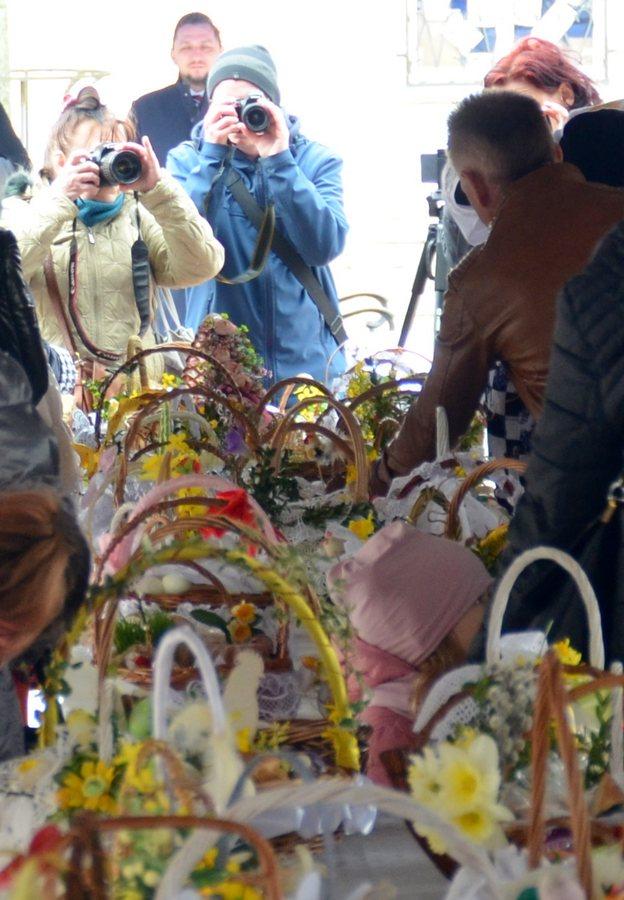
It also singles out the family table. The blessing of the family table is a daily habit in many Christian families and should be encouraged, the Directory says, noting that it is particularly important on Easter Sunday, when the head of household or another member of the household blesses the festive meal (n. 150).
How to use it
At home, keep it short enough that everyone is still at the table when it ends. A line of Scripture, the sign of the cross, and a prayer naming what you are actually grateful for is a real blessing, and the Catechism's own description of lay blessings covers it (CCC 1669).
For a larger occasion, a first meal in a new house or a wedding reception, ask your priest: he is the ordinary minister of sacramentals (can. 1168), and he will use the rite the Church has approved.
Where it gets misused
On the table itself, the failure is turning the blessing into a formula nobody is attending to. Sacramentals prepare us to receive grace and dispose us to cooperate with it; they do not confer grace the way the sacraments do (CCC 1670). The gesture belongs to the person saying it and to the people eating together.
FAQ
Is a blessing before a meal a sacramental?
Yes, in the ordinary sense of the word. The Catechism puts it directly: among sacramentals, blessings of persons, meals, objects, and places come first, and every blessing praises God and prays for his gifts (CCC 1671).
Does a priest have to bless the food?
Not for a family grace at the table. The Catechism says lay people may preside at certain blessings (CCC 1669), and canon law allows lay persons to administer some sacramentals according to the judgment of the local ordinary (can. 1168). Ask a priest when you want the full rite, for example at a wedding reception or a holiday dinner.
What is the family-table blessing the Directory mentions?
A short blessing said by the household over the meal. The Directory calls it a daily habit in many Christian families that should be encouraged, and describes it as particularly important on Easter Sunday, when the head of household or another member of the household blesses the festive meal (n. 150).
Sources
| Tier | Reference |
|---|---|
| Tier 1 | Catechism of the Catholic Church 1669, 1670, 1671 (opens in new tab) |
| Tier 1 | Directory on Popular Piety and the Liturgy 150, 272 (opens in new tab) |
| Tier 1 | Code of Canon Law can. 1166, can. 1168 (opens in new tab) |
Last reviewed: 2026-10-03