Sacramentals · last reviewed 2026-10-05
Church-approvedThe White Scapular of the Trinity and Ransom
Good for
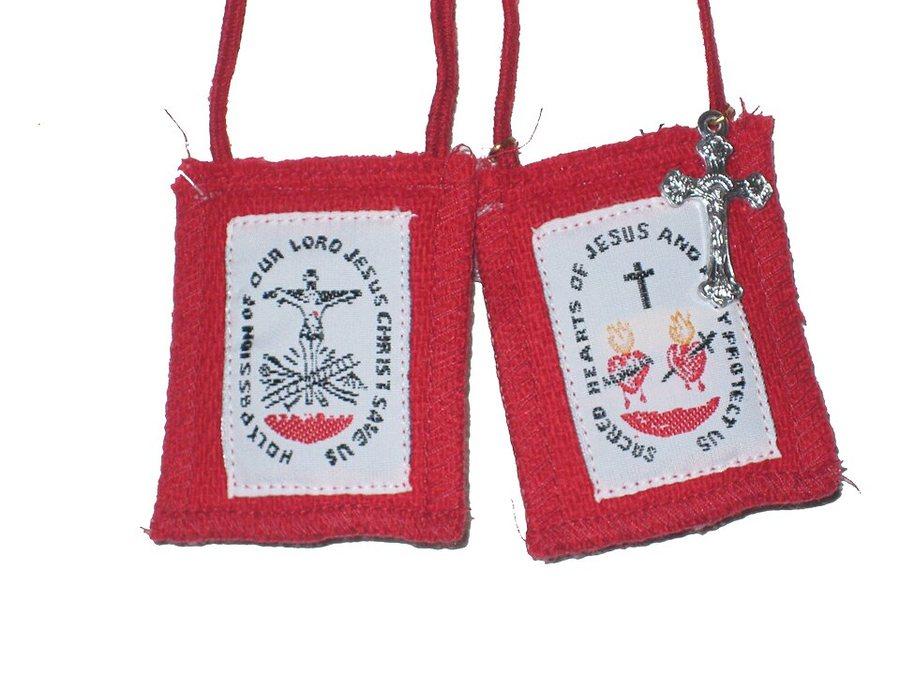
At a glance
The White Scapular with the red and blue cross comes from the Trinitarian habit; Innocent III approved the order in 1198 for the ransom of captives, and laypeople share the sign.
- Category
- Devotions
- Status
- Church Approved
- Sources
- 4 cited
- Last reviewed
- 2026-10-05
Primary source Directory on Popular Piety and the Liturgy 205
The White Scapular shows a red and blue cross on white for the Trinity. Innocent III approved the Trinitarian Order in 1198 for ransoming captives, and laypeople share its sign.
What it is
You pass a port with ships and trucks. You think of seafarers and migrants held somewhere against their will. White cloth answers with a mission.
Innocent III approved the Order of the Most Holy Trinity on 28 January 1198. John of Matha and Felix of Valois founded it to ransom Christian captives. Tradition says an angel appeared to the pope in white with a cross of red and blue. The friars took that garment as their habit: white for the Trinity, red for Christ, blue for heaven. Laypeople later took a small white scapular with the same two-color cross as the badge of the Confraternity of the Most Blessed Trinity.
The Catholic Encyclopedia lists the White Scapular of the Most Blessed Trinity among the approved small scapulars, with Our Lady of Ransom beside it. The two families, Trinitarian and Mercedarian, both ransomed captives in different centuries and ports. You keep the distinction. You honor both.
The Directory places scapulars among the devotions the Magisterium recommended through the centuries Directory 205 (tier 1 citation). The white cloth is a sacramental, a sacred sign that disposes you to receive grace CCC 1667 (tier 1 citation).
How to use it
Ask a Trinitarian parish or your priest about enrollment with the approved blessing. Then wear the white cloth daily. Pray the Trisagion or one Glory Be thrice for the Trinity each morning.
Keep one captive intention. A trafficked child. A jailed father. A migrant family in transit. Give alms for ransom work when you can. Visit the Trinitarian site if one stands near you. Learn the names of their missions.
Replace worn cloth with new cloth a priest blesses. White soils fast. Wash your life with it.
Where it gets misused
White never means exemption. The Catechism warns that crediting efficacy to the external act apart from the interior disposition it demands is superstition CCC 2111 (tier 1 citation). A white scapular worn while you ignore the captive at your street corner mocks the cross it bears.
Wear white. Pray to the Trinity. Free someone by prayer, money, or visit.
FAQ
Why does the white cloth bear a red and blue cross?
The cross copies the Trinitarian habit: white for the Trinity, a red vertical bar and blue horizontal bar. You wear the mission on your chest: God ransoms captives through Christ.
Did Innocent III approve the scapular in 1198?
He approved the Order of the Most Holy Trinity on 28 January 1198 for the ransom of Christian captives. The white habit with the two-color cross became the model. The lay scapular and its confraternity grew from that habit over later centuries.
Is this the same as Our Lady of Ransom?
Close kin. The Catholic Encyclopedia lists both the White Scapular of the Most Blessed Trinity and the White Scapular of Our Lady of Ransom among the approved small scapulars. Trinitarians and Mercedarians both ransomed captives. Ask a Trinitarian parish which confraternity enrolls you.
Who wears it today?
Members of the Confraternity of the Most Blessed Trinity and laypeople devoted to the Trinity. You wear white to remember captives, migrants, and trafficked children, and you pray for their release.
Sources
| Tier | Reference |
|---|---|
| Tier 1 | Directory on Popular Piety and the Liturgy 205 (opens in new tab) |
| Tier 1 | Catechism of the Catholic Church 1667 (opens in new tab) |
| Tier 1 | Catechism of the Catholic Church 2111 (opens in new tab) |
| Tier 2 | Catholic Encyclopedia, Scapular (opens in new tab) |
Last reviewed: 2026-10-05