Sacramentals · last reviewed 2026-10-04
Church-approvedDiscerning Oppression: Priest, Doctor, and Calm
Good for
At a glance
The Church names real demonic harm yet requires medical inquiry first; you bring fears to a priest and a doctor together, refuse self diagnosis, and stay with the sacraments.
- Category
- Rites
- Status
- Church Approved
- Sources
- 3 cited
- Last reviewed
- 2026-10-04
Primary source Catechism of the Catholic Church 1673
You may face real evil. You may also face illness that feels like evil. You bring both fears to a priest and a doctor. You refuse to diagnose yourself.
What it is
The Church teaches that demons act. The Church received power and office from Christ to confront them (CCC 1673). Priests speak of disturbed places, heavy attacks on the mind, and rare control of the body. You learn those terms from a priest. You never assign them yourself.
Discernment follows a fixed order. The priest listens first. He prays with you. He asks about sleep, medicine, trauma, and family history. Illness, especially psychological illness, belongs to medical science, and the Church must establish demonic presence rather than illness before any rite (CCC 1673). Doctors treat the body. Priests test the spiritual claim.
Authority guards the process. No priest may act without special permission from his bishop (can. 1172). The bishop grants it only to a priest with piety, knowledge, prudence, and integrity of life. Your parish priest refers grave cases upward.
How to use it
You act promptly. You write down what happens and when. You note sleep, medicines, and recent losses. You bring that list to your doctor. You bring it to your priest. You attend Sunday Mass. You go to confession. You pray the rosary at home.
You refuse shortcuts. You close horoscope apps. You cancel the medium. The Catechism rejects Satan, conjuring the dead, horoscopes, clairvoyance, and mediums (CCC 2116). You avoid magic and spiritism (CCC 2117). You choose the clinic and the confessional.
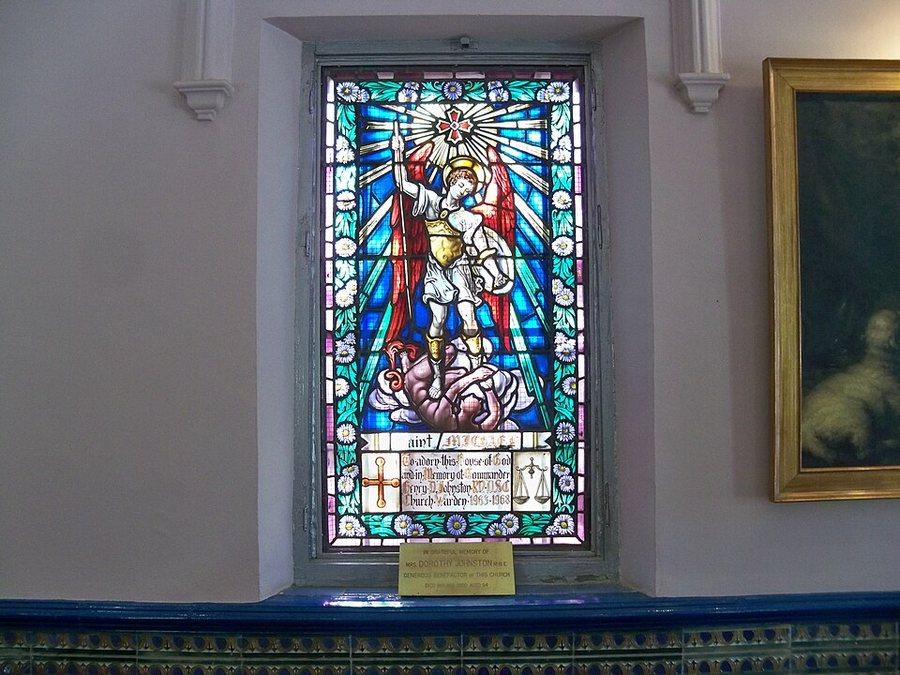
You care for others the same way. You listen to a frightened friend. You drive them to the parish office. You drive them to the clinic. You pray the short St Michael prayer with them.
Where it gets misused
Fear misleads quickly. Some label every depression as demonic. The Catechism blocks that move (CCC 1673). You reject fear based verdicts. You insist on medical inquiry.
Curiosity misleads too. Some seek demon names through videos and seances. You turn off that content. You see your priest and your doctor. You receive the sacraments.
FAQ
What do infestation, obsession, and possession mean?
Priests use these words carefully. Infestation points to a place or object disturbed. Obsession points to heavy external attacks on thoughts. Possession points to a demon controlling a body. Only the Church judges such claims through a priest with his bishop behind him (can. 1172). You never apply these labels yourself.
Should I see a doctor or a priest first?
You see both. The Catechism calls illness, especially psychological illness, a very different matter from demonic presence and entrusts it to medical science (CCC 1673). You book the clinic. You call the parish. You let each judge his field.
May I test myself with videos or mediums?
No. You avoid horoscopes, clairvoyants, and mediums. The Catechism rejects all forms of divination (CCC 2116). You avoid attempts to tame occult powers (CCC 2117). You bring your story to a priest and a doctor instead.
What if my priest says it is not demonic?
You accept his judgment. He acts with prudence under Church rules (CCC 1673). You continue treatment. You stay with confession and Mass. You return when new facts arise. Peace grows through obedience.
Sources
| Tier | Reference |
|---|---|
| Tier 1 | Catechism of the Catholic Church 1673 (opens in new tab) |
| Tier 1 | Code of Canon Law can. 1172 (opens in new tab) |
| Tier 1 | Catechism of the Catholic Church 2116-2117 (opens in new tab) |
Last reviewed: 2026-10-04