Sacramentals · last reviewed 2026-10-27
Church-approvedChrism: The Sacred Oil of Consecration
Good for
At a glance
Chrism is olive oil mixed with balsam and consecrated by a bishop; it is used in Baptism, Confirmation, Holy Orders, and the dedication of churches and altars.
- Category
- Oils
- Status
- Church Approved
- Sources
- 3 cited
- Last reviewed
- 2026-10-27
Primary source Catechism of the Catholic Church 1293, 1294, 1300
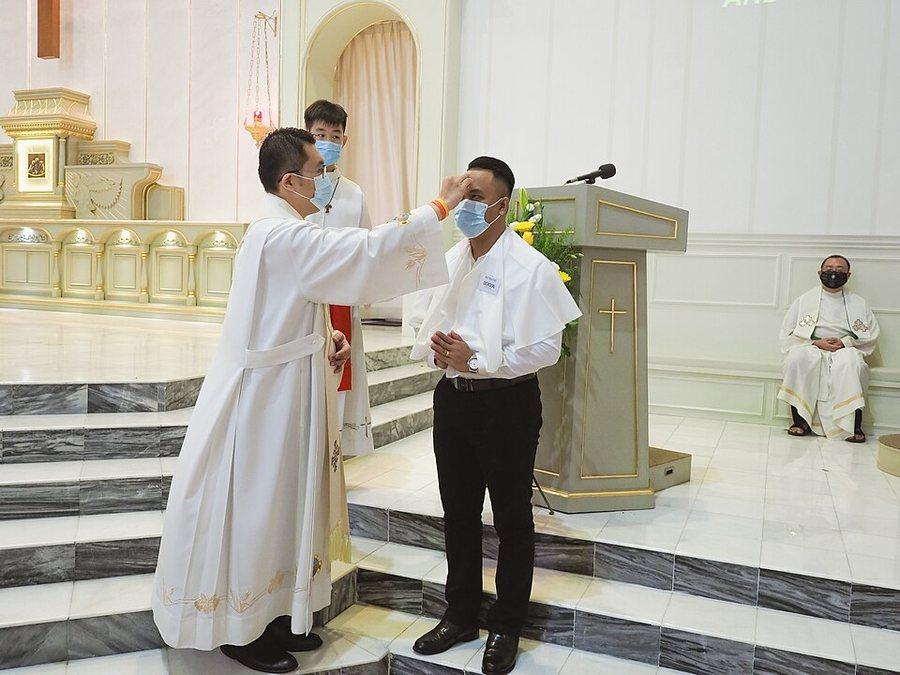
Chrism is olive oil mixed with balsam, consecrated by a bishop, and used in Baptism, Confirmation, Holy Orders, and the dedication of churches and altars. It marks the person or place as set apart for Christ.
What it is
The Catechism calls chrism the oil that completes the sacraments of initiation and ordination (CCC 1293, 1294, 1300). Consecrated once a year at the Chrism Mass, it is the oil of fullness: the anointing that seals the baptized and confirms the confirmed.
How it is used
A bishop consecrates chrism during Holy Week. Priests then carry it to their parishes for use in Baptism, Confirmation, the ordination of priests and deacons, and the dedication of a church or altar.
A note on misuse
Chrism is not a perfume to be dabbed on for luck. It is a sacramental tied to specific rites, and its power rests in the Church's prayer, not in the oil.
FAQ
Can chrism be used by laypeople?
Chrism is reserved for sacramental use by ordained ministers in the rites the Church prescribes. Laypeople do not administer it; they receive its effects in Baptism, Confirmation, and the other rites in which it is used.
What makes chrism different from other blessed oils?
Chrism is consecrated, not merely blessed, and it alone contains balsam. The other oils (oil of catechumens, oil of the sick) are blessed but not consecrated and lack balsam.
Sources
| Tier | Reference |
|---|---|
| Tier 1 | Catechism of the Catholic Church 1293, 1294, 1300 (opens in new tab) |
| Tier 1 | Code of Canon Law can. 847 §1, can. 880 (opens in new tab) |
| Tier 1 | Exodus 30:22-33 (opens in new tab) |
Last reviewed: 2026-10-27