Sacramentals · last reviewed 2026-10-05
Church-approvedBlessed Bells: Consecrated Bronze That Calls You
Good for
At a glance
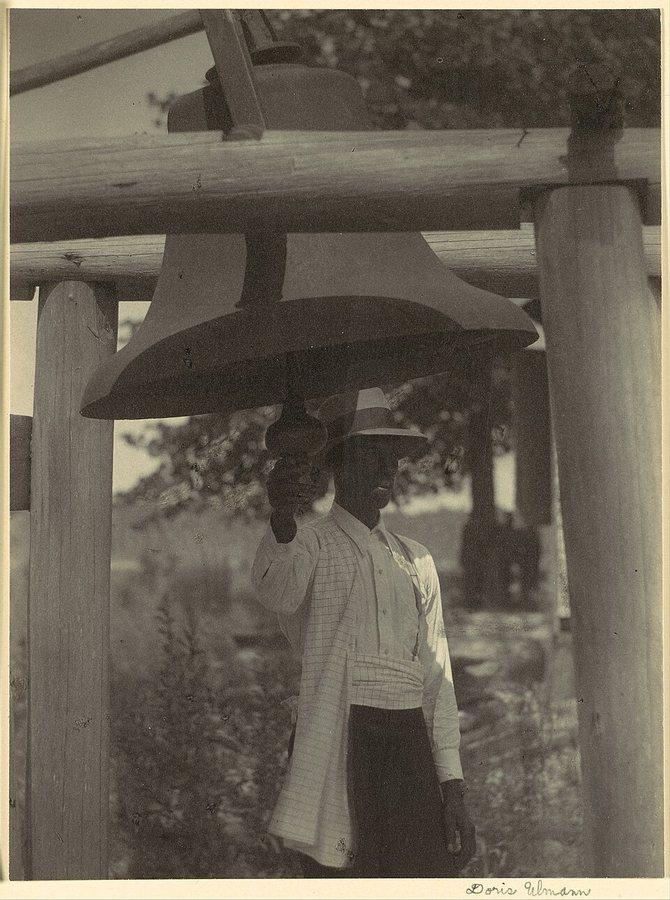
Blessed bells are church bells set apart by solemn consecration since the eighth century; the bishop blesses them to call you to worship and to scatter fear with prayer.
- Category
- Blessings
- Status
- Church Approved
- Sources
- 4 cited
- Last reviewed
- 2026-10-05
Primary source Catechism of the Catholic Church 1671
Blessed bells are bronze the Church consecrates for worship. Since the eighth century bishops bless great bells so their sound calls you to prayer and steadies you in storms.
What it is
You hear a tower at six on a Sunday. You pause over coffee. The sound pulls you out of bed and toward Mass. Bronze preaches.
The Catholic Encyclopedia treats bells under origin, benediction, uses, and inscriptions. Tiny bells hung on the high priest's ephod in Exodus. Hand bells rang in Rome. By the eighth century great bells belonged to every church, and blessing them by a special consecration became general. The consecration is solemn. The bishop washes, anoints, and names the bell. The prayers ask that whirlwinds and tempests scatter, that children hearing the ring hasten to Mother Church, and that those assembled at its sound stay free from the enemy and hold the Catholic faith.
Canon law frames the act. Sacramentals are sacred signs instituted by the Church to dispose you to grace. The Apostolic See alone establishes new ones. Approved rites alone are observed can. 1167 §2 (tier 1 citation). Among sacramentals, blessings of objects come first CCC 1671 (tier 1 citation).
How to use it
Learn your tower's language. Sunday call means rise and go. Sanctus bell means adore. Funeral toll means pray for the dead. Wedding peal means rejoice.
If your parish buys a bell, attend the consecration. Bring children. Let them touch the bronze before it rises. Give toward the cost. At home when storms come, gather, light a blessed candle, and pray Psalm 91. Let the tower do its work while you do yours.
Ask your priest about the small altar bell in your chapel. Servers ring it to recall wandering minds, never as show.
Where it gets misused
Bronze holds no force of its own. The Catechism marks the fault when efficacy is credited to the external act apart from the interior disposition it demands CCC 2111 (tier 1 citation). A bell trusted as a storm shield while you refuse prayer and prudence turns consecration into noise.
Hear the bell. Pray. Come. Let sound lead you to the altar.
FAQ
What is the blessing of bells?
A solemn consecration with holy oils, holy water, and long prayers. The bishop normally blesses great bells. Priests may bless with permission in need. The rite gives the bronze a voice for God.
How old is the rite?
The Catholic Encyclopedia traces the general prevalence of blessing bells by a special consecration to the eighth century, when bells became part of every church. The prayers ask that storms scatter, fear lift, and the faithful hasten to the assembly.
Why do bells ring at Mass?
The small altar bell rings at the Sanctus and the elevations to invite you to adore at the consecration. The tower bell calls the parish on Sundays, warns at funerals, and sings at weddings.
Do blessed bells drive storms by metal?
No. The old prayers ask God to free those gathered at the sound from temptation and to grow devotion in children who hear it. You pray when you hear. God acts. The bronze serves.
Sources
| Tier | Reference |
|---|---|
| Tier 1 | Catechism of the Catholic Church 1671 (opens in new tab) |
| Tier 1 | Code of Canon Law can. 1166, can. 1167 §2 (opens in new tab) |
| Tier 1 | Catechism of the Catholic Church 2111 (opens in new tab) |
| Tier 2 | Catholic Encyclopedia, Bells (opens in new tab) |
Last reviewed: 2026-10-05