Sacramentals · last reviewed 2026-10-05
Church-approvedBlessed Ashes: Received in Penance on Ash Wednesday
Good for
At a glance
Blessed ashes open Lent with the words dust you are and the call to the Gospel; the priest blesses palms burned from last Palm Sunday and marks your forehead in the cross.
- Category
- Blessings
- Status
- Church Approved
- Sources
- 4 cited
- Last reviewed
- 2026-10-05
Primary source Pope Francis, Ash Wednesday Homily (26 February 2020)
Blessed ashes open Lent on your forehead. The priest marks you with burned palms and says you are dust. You hear the Gospel call and you turn to Christ.
What it is
You line up on a Wednesday night. Office dust still on your shoes. The priest presses a thumb of gray to your skin. You walk out marked.
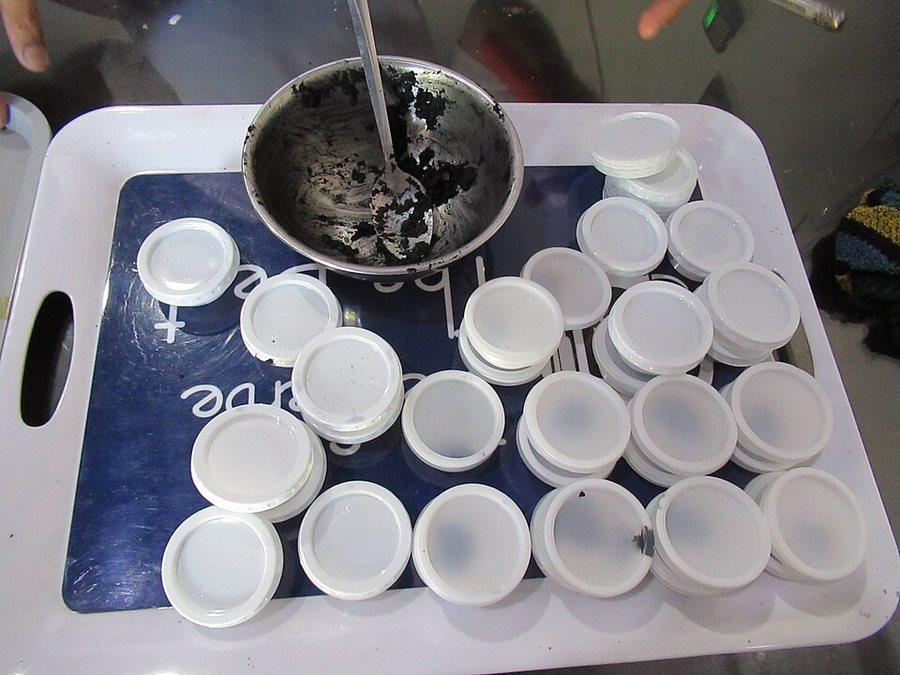
The Catholic Encyclopedia traces the name dies cinerum to the Gregorian Sacramentary, at least the eighth century. On that day the faithful approach before Mass. The priest dips his thumb into ashes previously blessed and marks each forehead with the cross, saying Remember, man, that thou art dust and unto dust thou shalt return. The ashes come from palms blessed on the Palm Sunday of the previous year. In the traditional form described by the Encyclopedia, prayers bless them, and holy water and incense complete the rite. Your parish follows the current Missal.
Scripture gives the words. After the fall God tells Adam you are dust and to dust you shall return Gen 3:19 (tier 1 citation). Francis preached in 2020 that God gathers that dust in his hands and breathes life into it. You are dust destined for glory when you let him shape you. Among sacramentals, blessings of objects and persons come first CCC 1671 (tier 1 citation).
How to use it
Come to Mass or a Liturgy of the Word on Ash Wednesday. Receive ashes kneeling or standing. Answer Amen in your heart. Keep the fast and abstinence your bishops set. Choose one penance you can keep: daily Mass twice a week, no sweets, phone off after nine.
Bring last year's palm to the parish burn if asked. Sweep the church step after. Teach children the two phrases. Dust reminds us we die. Gospel tells us to rise. Pray Psalm 51 slowly that night: create in me a clean heart.
Where it gets misused
Ashes never prove holiness by smudge. Posting the mark for likes while you refuse confession empties the sign. The Church gives ashes as a wholesome remedy to those who accuse themselves and implore pardon, in the words of the second blessing prayer.
Receive the dust. Repent. Believe. Walk to Easter.
FAQ
What words does the priest say?
Remember, man, that thou art dust and unto dust thou shalt return, from Genesis 3:19. Since the Council the Church also uses Repent, and believe in the Gospel, from Mark 1:15. You hear death. You hear mercy. You begin Lent.
Where do the ashes come from?
From palms blessed on last year's Palm Sunday, burned, blessed with prayers, sprinkled with holy water, and fumigated with incense in the traditional form described by the Encyclopedia. Your parish follows the current Missal. The palm of Hosanna becomes the dust of penance.
Must I be Catholic to receive ashes?
The Church invites the faithful on Ash Wednesday, and many parishes do not refuse seekers who approach with reverence. If you are not Catholic, tell the minister before Mass and follow parish guidance.
Do I keep ashes on all day?
Many do, as a quiet sign. Francis taught in 2020 that ashes remind you that you are dust destined for life when God shapes you. Wash them off before sleep. Keep the fast and prayer they mark.
Sources
| Tier | Reference |
|---|---|
| Tier 1 | Pope Francis, Ash Wednesday Homily (26 February 2020) (opens in new tab) |
| Tier 1 | Genesis 3:19 (NABRE) (opens in new tab) |
| Tier 1 | Catechism of the Catholic Church 1671 (opens in new tab) |
| Tier 2 | Catholic Encyclopedia, Ash Wednesday (opens in new tab) |
Last reviewed: 2026-10-05