Sacramentals · last reviewed 2026-10-27
Church-approvedAntidoron: The Blessed Bread of the Byzantine Liturgy
Good for
At a glance
Antidoron is the blessed bread distributed after the Divine Liturgy in the Byzantine rite; it is not the Eucharist but a sacramental of fellowship and thanksgiving, approved for Eastern Catholic use.
- Category
- Food
- Status
- Church Approved
- Sources
- 3 cited
- Last reviewed
- 2026-10-27
Primary source Catechism of the Catholic Church 1674 (particular churches and their liturgies)
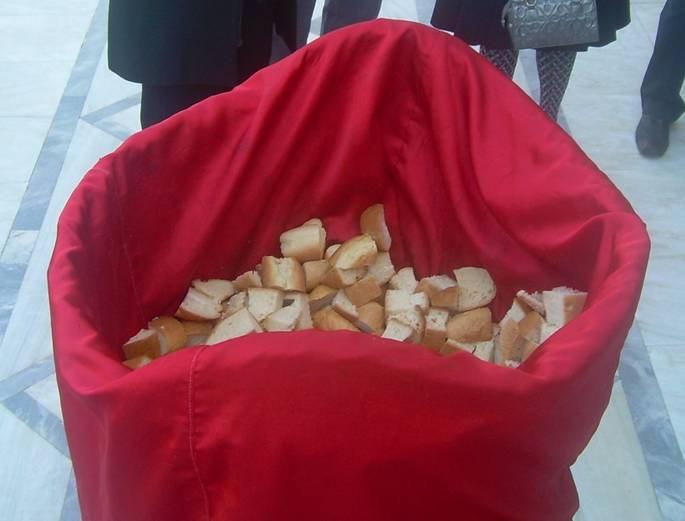
Antidoron is the blessed bread given after the Divine Liturgy in the Byzantine rite. It is not the Eucharist; it is a sacramental of fellowship and thanksgiving, approved for Eastern Catholic use.
What it is
The Catechism recognizes the liturgies of the particular churches (CCC 1674). In the Byzantine rite, after the priest takes the Lamb from the prosphoron, the remainder is blessed and distributed as antidoron, "instead of the gifts."
How it is used
Receive it after the Liturgy with reverence, as a sign of the Church's hospitality and of the bread that feeds the body while the Eucharist feeds the soul.
A note on misuse
Antidoron is not a substitute for Holy Communion and carries no promise of grace on its own. It is a blessed gift, not a sacrament.
FAQ
Is antidoron the same as Holy Communion?
No. Antidoron is blessed bread, not consecrated. It is distributed to those who did not receive Communion and to visitors as a sign of fellowship; only the Eucharist is the Body of Christ.
Can anyone receive antidoron?
In Byzantine practice it is offered to all present, including visitors, as a gesture of welcome and thanksgiving.
Sources
Last reviewed: 2026-10-27